When it comes to creating a home entertainment system, choosing the right speakers is crucial. Good speakers can elevate your movie and music experiences to new heights, while poor ones can ruin them completely. With so many options on the market, it can be overwhelming to know where to start. In this article, we'll discuss the key factors you should consider when choosing speakers for your home entertainment system.
Speaker Type
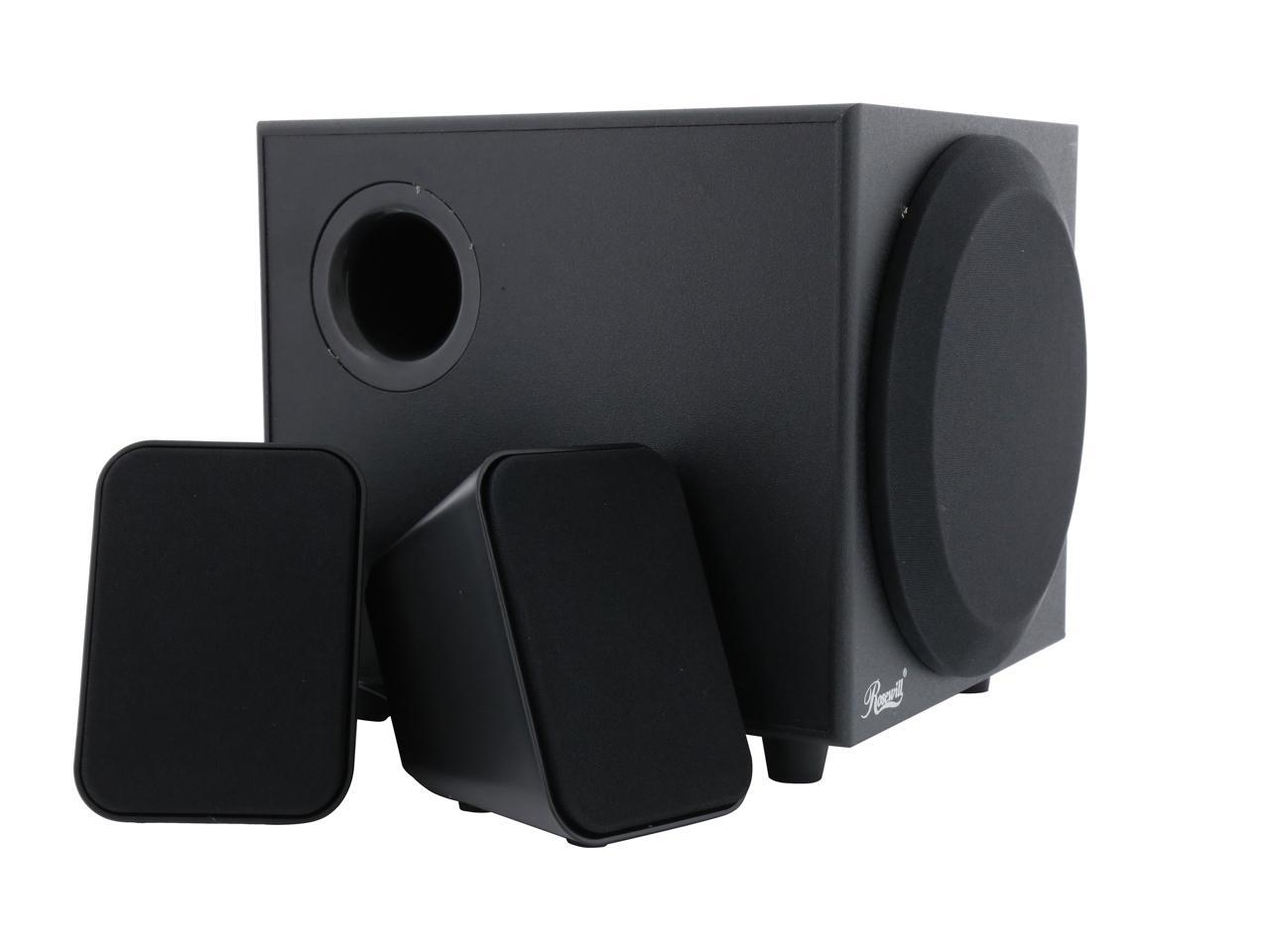
The first thing you need to decide is what type of speakers you want. There are several options, including floor-standing, bookshelf, in-wall Binoclu, and in-ceiling speakers. Floor-standing speakers are the most common and are great for larger rooms. Bookshelf speakers are smaller and more compact, making them ideal for smaller spaces. In-wall and in-ceiling speakers are great for those who want a more discreet setup.
Speaker Size
The size of your speakers will depend on the size of your room. Larger rooms require larger speakers, while smaller rooms can make do with smaller ones. The size of your speakers will also affect their frequency response. Larger speakers generally have better bass response, while smaller ones excel at higher frequencies.
Frequency Response
The frequency response of a speaker refers to the range of frequencies it can reproduce. A good speaker should have a flat frequency response, meaning it can reproduce all frequencies equally. This will ensure that all the different elements in a piece of music or a movie soundtrack are reproduced accurately.
Sensitivity
The sensitivity of a speaker refers to how loud it can get with a given amount of power. Speakers with higher sensitivity ratings require less power to produce the same volume as speakers with lower sensitivity ratings. This can be an important consideration if you have a low-powered amplifier or if you want to play your music at high volumes Sound Choose.
Impedance
The impedance of a speaker refers to its resistance to electrical current. Most speakers have an impedance of 4, 6, or 8 ohms. Your amplifier should be able to handle the impedance of your speakers. If the impedance is too low, your amplifier may overheat and shut down. If it's too high, your speakers may not get enough power to produce loud volumes.
Brand Reputation
When choosing speakers, it's important to consider the brand's reputation. There are many reputable brands in the speaker market, such as Bose, Klipsch, and Sonos. These brands have a long history of producing high-quality speakers and are a safe choice for those who want the best sound quality.
Budget
Finally, you need to consider your budget. Speakers can range from a few hundred dollars to tens of thousands of dollars. While expensive speakers generally sound better, they may not be worth the extra cost for most people. Consider how much you're willing to spend and choose speakers that fit your budget.
In conclusion, choosing the right speakers for your home entertainment system requires careful consideration of several factors, including speaker type, size, frequency response, sensitivity, impedance, brand reputation, and budget. By taking the time to research and compare different options, you can find speakers that provide the best sound quality for your needs and budget.

No comments:
Post a Comment